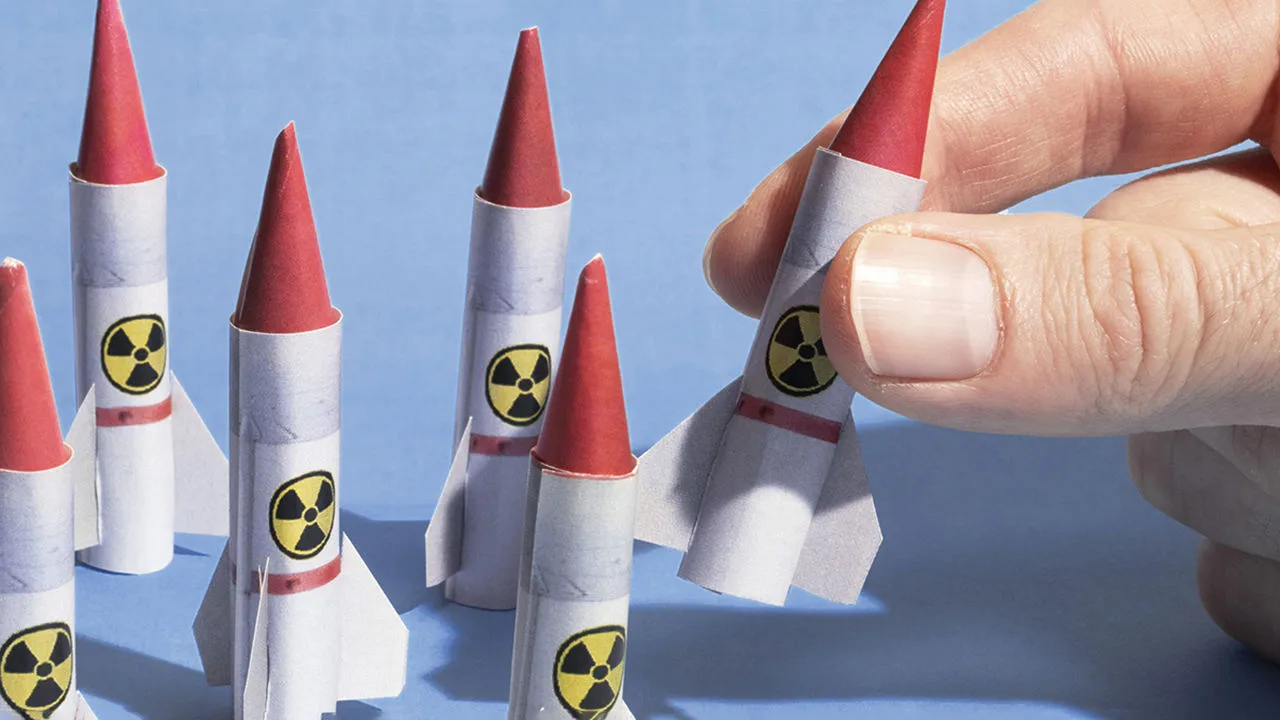
Washington: The world is witnessing an unprecedented surge in arms sales, a trend that is reshaping global security dynamics and raising grave concerns about the future of humanity. While nations justify rising defence budgets as essential for safeguarding borders and maintaining strategic advantage, experts warn that the expanding global weapons stockpile is becoming a catalyst for tension, mistrust, and potential conflict.
Security or Escalation?
Across the geopolitical landscape, countries are rapidly acquiring advanced military hardware to reaffirm their strength. Yet this arms race often fuels instability rather than ensuring peace. Massive defence spending diverts critical funds away from education, healthcare, clean water, climate resilience, and employment—sectors essential for human development and social stability.
Powerful nations leverage the arms trade for economic gain and geopolitical influence, while smaller countries join the race under pressure or fear. The result is a world moving toward deeper mistrust and strategic vulnerability.
SIPRI Report Shows Alarming Trends
A new report from the Stockholm International Peace Research Institute (SIPRI) highlights a sharp rise in global arms sales. According to the data, increasing border tensions and expanding military ambitions have driven the surge.
From the India–China standoff along the LAC, to strained India–Pakistan relations, to China’s aggressive posture toward Taiwan, military preparedness is intensifying across Asia. The Middle East remains volatile with Iran–Israel hostilities, and the Armenia–Azerbaijan conflict continues to simmer. In Central Asia, Afghanistan’s evolving security situation has kept neighbouring countries on high alert.
The Russia–Ukraine war, now in its fourth year, remains one of the world’s most dangerous flashpoints. Failed peace talks, ongoing missile strikes, and territorial battles have complicated a crisis that now influences global politics, security frameworks, and economic stability.
Arms Industry Profits Surge
SIPRI’s latest assessment reveals that the world’s top 100 defence companies earned a combined $679 billion in 2024, a nearly 6% increase from the previous year. Rising conflicts—particularly in Ukraine, Gaza, and East Asia—have driven unprecedented demand.
Three Indian companies—Hindustan Aeronautics, Bharat Electronics, and Mazagon Dock Shipbuilders—feature in the list. Their combined revenue rose by 8.2% to $7.5 billion, fuelled largely by domestic defence needs.
This booming industry signals not just militarization, but the commercialization of conflict—where wars become lucrative markets and global defence giants wield growing influence.
Humanitarian Fallout: The Cost We Ignore
The global arms race is not merely a numbers game—it has devastating human consequences.

Russia–Ukraine War:
- Approx. 10.6 million people displaced
- Over 236,000 homes destroyed or damaged
- Ukraine faces nearly $1 trillion in total economic losses
- GDP drop of 22.6%, massive infrastructure devastation
- Estimated $524 billion required for long-term recovery
Gaza Conflict:
- Around 70,000 deaths reported
- 1.9 million people displaced
- 62% of homes and infrastructure destroyed
- Schools, hospitals, water systems nearly collapsed
- Reconstruction needs estimated at $53 billion
Sudan’s Civil War has also driven millions into hunger, violence, and displacement, worsening Africa’s humanitarian crisis.
Across these regions, the human toll extends far beyond destroyed buildings—families torn apart, psychological trauma, shattered economies, and long-term instability.
A World at a Crossroads
As nations pour billions into defence procurement, vital social development loses out. This shift exacerbates global inequality, fuels hunger, and heightens climate vulnerability.
Conflicts are uprooting millions worldwide, creating one of the worst displacement eras since World War II. The global community now faces a stark reality: rising militarization may be securing borders, but it is eroding humanity’s collective future.
The Way Forward
The SIPRI report underscores an urgent need for global cooperation and a reimagining of security—one that prioritizes diplomacy, sustainable development, and trust-building over escalating weapons stockpiles.
Unless countries work together to halt this unchecked arms race, the world risks heading toward even greater instability and human suffering.